Common Mistakes When Installing Solar Panel Mounting Structures
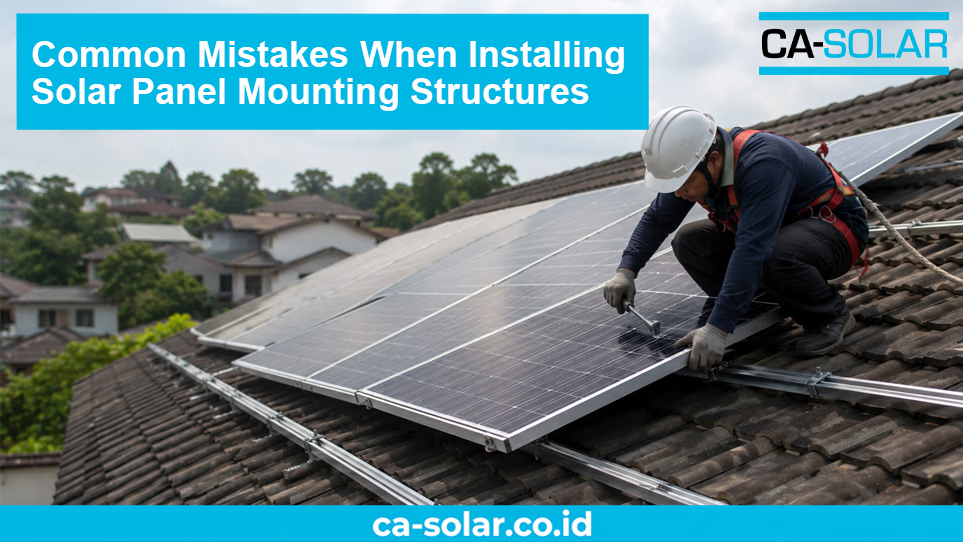
A solar panel mounting structure, or solar mounting system, plays a crucial role in supporting the entire solar power system. Although solar panels generate electricity, the overall performance and safety of the installation depend on the quality of the supporting structure. Mistakes during installation can lead to uneven load distribution, accelerate component wear, and increase maintenance costs over time.
Many issues that occur in solar power systems are actually caused by improper installation rather than poor-quality solar panels. Therefore, in addition to selecting the right material for the solar panel mounting structure, every component should be installed according to the appropriate standards and technical specifications.
Below are some of the most common mistakes made when installing a solar panel mounting structure and how to avoid them.
1. Using the Wrong Material
One of the most common mistakes is choosing the mounting material based solely on price without considering the installation environment or project requirements.
For example, installations in coastal areas are exposed to higher humidity and salt levels than inland locations. If the selected material does not provide sufficient corrosion resistance, the lifespan of the mounting structure may be significantly reduced.
Some of the possible consequences include:
- The structure corrodes more quickly.
- Maintenance costs become higher.
- The system's service life is reduced.
- Component replacement becomes more frequent.
To avoid these problems, always select materials that match the project's environmental conditions. You can also learn more about the best materials for solar panel mounting structures before selecting the appropriate mounting system.
2. Incorrect Solar Profile Positioning
The Solar Profile is the primary component that supports the entire solar array. If the Solar Profile is not positioned according to the design specifications, the load may not be distributed evenly, reducing the stability of the structure.
This mistake usually occurs because measurements are inaccurate or no final verification is performed before tightening all components.
As a result, the following issues may occur:
- Uneven load distribution.
- Reduced structural stability.
- Difficulty installing Mid Clamps and End Clamps.
- Increased risk of structural deformation.
Before continuing the installation, make sure the Solar Profile is positioned according to the engineering drawings and verify all measurements to ensure accurate installation.
3. Improper Bolt Tightening
All mounting components are connected using bolts as the primary fastening method. However, bolts that are either too loose or too tight can both create problems.
Loose bolts may allow components to shift due to wind loads or vibration. On the other hand, overtightened bolts can apply unnecessary stress to the Solar Profile and the solar panel frame.
This mistake may result in:
- Unstable connections.
- Increased risk of structural movement.
- Excessive stress on the components.
- A shorter system lifespan.
Always tighten bolts according to the manufacturer's recommended specifications so every component performs as intended.
4. Incorrect Installation of Mid Clamps and End Clamps
Mid Clamps and End Clamps are responsible for securing solar panels to the Solar Profile. Although these components are relatively small, they play a critical role in maintaining panel stability throughout the system's operational life.
Improper installation may prevent the panels from being securely fastened, increasing the risk of movement caused by wind or vibration.
Possible consequences include:
- Solar panels are not securely fastened.
- Poor panel alignment.
- Uneven load distribution.
- Reduced structural stability.
Understanding the function of each component within a modern solar panel system will make the installation process easier while reducing the risk of installation errors.
5. Ignoring Roof or Building Structure Conditions
Not every roof or building structure is capable of supporting the same amount of load.
Before installation begins, the building structure should be evaluated to ensure it can safely support the combined weight of the solar panels and the mounting system.
Ignoring this step may result in:
- Excessive load on the building structure.
- Design modifications during construction.
- Increased installation costs.
- Higher risk of structural damage.
Conducting a site assessment before installation is a simple step that can prevent many problems later.
6. Incorrect Spacing Between Components
Each mounting component is designed with specific spacing requirements to ensure proper load distribution.
Changing the position of the Solar Profile, Foot Bracket, or Join Bar without proper calculations can reduce the structural strength of the entire mounting system.
This mistake may lead to:
- Uneven load distribution.
- Greater structural deflection.
- Reduced installation efficiency.
- Excessive stress on the joints.
Always install every component according to the engineering drawings and project specifications.
7. Failing to Consider Wind Loads and Environmental Conditions
Environmental conditions are often overlooked during installation, even though they significantly influence the mounting system design.
Locations with strong winds, heavy rainfall, or coastal environments require special consideration when selecting both the mounting design and materials.
Failing to account for environmental conditions may result in:
- Structural loads exceeding design limits.
- Faster component deterioration.
- Greater risk of damage during severe weather.
- Reduced system lifespan.
For this reason, the mounting system should always be designed according to the specific characteristics of the installation site.
8. Not Taking Advantage of Modular Mounting Systems
Some projects still rely on conventional installation methods that require extensive manual adjustments in the field.
Modern modular mounting systems are designed so that every component integrates seamlessly, allowing installation to be completed faster and with greater precision.
The advantages of modular systems include:
- Reducing installation errors.
- Faster installation time.
- Easier future system expansion.
- Cleaner and more organized installations.
These are some of the key benefits of modular solar mounting systems, making them increasingly popular for commercial and industrial projects.
9. Skipping the Final Inspection After Installation
Many people consider the project complete once all the solar panels have been installed. However, the final inspection is one of the most important steps in the installation process.
A post-installation inspection ensures that every component has been installed correctly and that no parts have shifted during installation.
The inspection should include:
- Tightness of all bolts.
- Solar Profile alignment.
- Condition of Mid Clamps and End Clamps.
- Position of Foot Brackets and Join Bars.
- Overall alignment of the solar panels.
This inspection also serves as the first step in solar panel mounting structure maintenance, helping ensure the system continues to operate efficiently.
Use Components Designed to Work Together
Besides proper installation methods, the quality and compatibility of the components also affect the final installation results.
Solar Profiles, Mid Clamps, End Clamps, Foot Brackets, and Join Bars that are designed as part of a complete system provide a more efficient installation process than using components that are not designed to work together.
You can learn more about the function of each of these components in the article important components of a modern solar panel system, helping you better understand the role each part plays in a solar mounting system.
CA-Solar Supports More Efficient Installations
CA-Solar provides a complete range of solar mounting system components, including Solar Profiles, Mid Clamps, End Clamps, Foot Brackets, and Join Bars, designed to deliver strong, precise, and efficient installations.
With its modular concept, every component integrates seamlessly with the others, allowing installations to be completed faster, minimizing installation errors in the field, and making future system expansion much easier whenever additional solar capacity is required.
Conclusion
Mistakes when installing a solar panel mounting structure can affect the safety, stability, efficiency, and lifespan of the entire solar energy system. From selecting the right materials and positioning the Solar Profile to installing Mid Clamps and End Clamps correctly and performing post-installation inspections, every step plays an important role in achieving a reliable installation.
By using high-quality components, following proper installation procedures, and carrying out regular inspections, a solar panel system can continue operating efficiently for many years. In addition, selecting the right materials, understanding the function of each component, and implementing a modular mounting system will help create an installation that is stronger, more efficient, and easier to expand as future energy needs grow.