Why Solar Energy Is Abundant in Indonesia Key Reasons Explained
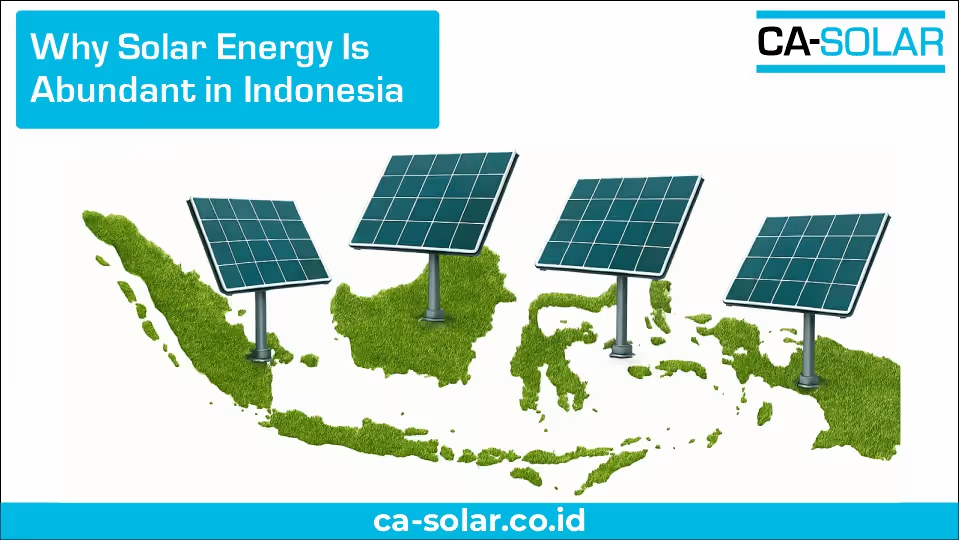
Renewable energy has become an important focus in many countries as a solution to meet growing energy demand while reducing the environmental impact of fossil fuels. One of the most widely developed renewable energy sources today is solar energy.
Solar energy utilizes sunlight to generate electricity through solar panels or photovoltaic (PV) systems. Interestingly, Indonesia is known as one of the countries with significant solar energy potential.
This potential is closely related to Indonesia’s geographic location and climate conditions, which allow sunlight to be available throughout the year. This article discusses the key factors that make solar energy abundant in Indonesia.
Indonesia’s Geographic Position Near the Equator
One of the main reasons solar energy is abundant in Indonesia is its geographic location near the equator.
Regions located around the equatorial line receive relatively consistent sunlight throughout the year. Unlike countries in subtropical or polar regions, the angle of sunlight in tropical areas remains more stable.
As a result, sunlight intensity in Indonesia is relatively high and evenly distributed across the year. For solar panel systems, this condition is highly beneficial because it allows energy production to remain stable without extreme seasonal fluctuations.
High Solar Radiation Levels in Indonesia
In solar energy systems, one important factor is solar radiation, also known as solar irradiance. Solar irradiance refers to the amount of solar energy received by the Earth's surface per unit area.
Indonesia has an average solar radiation level of approximately 4 to 5.5 kWh per square meter per day. This indicates that each square meter of area exposed to sunlight has considerable potential to generate electricity when equipped with solar panels. The higher the solar radiation level in a particular location, the greater the potential electricity output from a photovoltaic system installed in that area.
Long Sunlight Duration Throughout the Year
Another factor that makes solar energy abundant in Indonesia is the relatively long duration of sunlight each day. In solar system design, there is a concept known as peak sun hours, which refers to the number of effective hours per day when solar radiation intensity is high enough to generate optimal electricity.
In Indonesia, the average peak sun hours typically range from 4 to 6 hours per day, which is considered favorable for solar power generation. This is different from countries with four seasons, where solar energy production often decreases significantly during winter due to shorter daylight hours and lower sunlight intensity.
Large Potential for Solar Energy Development in Indonesia
With its favorable geographic and climate conditions, Indonesia has significant potential for solar energy development. Various studies estimate that the country’s solar power potential could reach hundreds of gigawatts of installed capacity. This potential can be utilized through different types of solar panel installations, such as:
- Rooftop solar systems on industrial buildings
- Solar panels on commercial facilities
- Residential rooftop solar installations
- Utility-scale solar power plants
The industrial sector also has strong opportunities to adopt solar energy, especially by installing solar panels on factory roofs, warehouses, and production facilities.
Benefits of Solar Energy Utilization in Indonesia
The abundance of solar energy provides several advantages for Indonesia’s energy development. Some of the key benefits include:
- Reducing dependence on fossil fuels Solar energy can serve as a cleaner alternative to electricity generated from coal or other fossil fuel sources.
- Lowering carbon emissions Solar power generation helps reduce greenhouse gas emissions that contribute to climate change.
- Long-term electricity cost savings Although the initial installation cost of solar panels can be significant, the operational costs are relatively low over time.
- Supporting national renewable energy targets Expanding solar energy adoption can help Indonesia achieve its renewable energy goals.
Challenges in Solar Energy Development in Indonesia
Despite its large potential, the development of solar energy in Indonesia also faces several challenges. One of the main challenges is the initial investment cost required to install solar panel systems, which may still be relatively high for some users. In addition, solar energy development requires adequate electricity grid infrastructure.
Another factor is the evolving regulatory environment and energy policies, as well as the need for energy storage technologies such as batteries to improve the flexibility and reliability of solar power systems.
Conclusion
Solar energy is abundant in Indonesia due to a combination of several important factors, including its geographic location near the equator, high levels of solar radiation, and long sunlight duration throughout the year.
These conditions make Indonesia one of the countries with significant solar energy potential. With the proper use of solar panel technology and adequate support from infrastructure and energy policies, solar power can play an important role in meeting future electricity demand while supporting the transition toward cleaner and more sustainable energy.