Solar Panel Mounting Maintenance Guide for Long Term Use
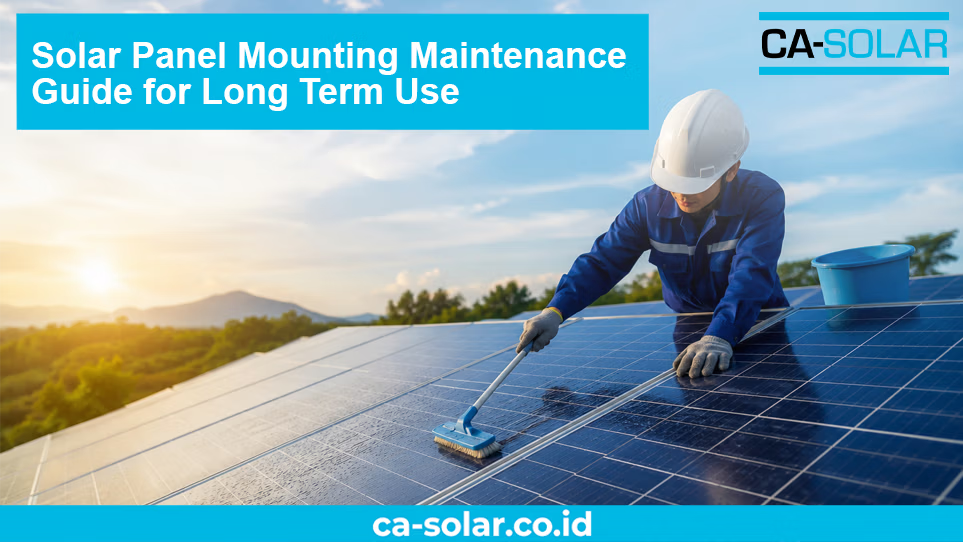
When discussing solar panel maintenance, many people focus only on cleaning the surface of the solar panels. However, the solar panel mounting structure, or solar mounting system, also requires regular inspections to ensure it can safely support the panels for many years.
The mounting structure is the foundation of the entire solar installation. If the supporting structure experiences damage, corrosion, or loose connections, the stability of the system may be compromised even though the solar panels themselves are still functioning properly.
With proper maintenance, potential issues can be identified early, helping to preserve the overall reliability and lifespan of the system.
Why Does a Solar Panel Mounting Structure Need Maintenance?
A solar panel mounting structure is designed for long-term outdoor use and is continuously exposed to sunlight, rain, wind, dust, and daily temperature changes.
Even when manufactured from corrosion-resistant materials, routine inspections are still necessary to ensure every component performs as intended.
The benefits of regular maintenance include:
- Maintaining structural strength.
- Reducing the risk of corrosion.
- Ensuring secure connections.
- Extending the system's service life.
- Minimizing future repair costs.
In addition, the quality of the materials used for the solar panel mounting structure also affects how much maintenance is required throughout its operational life.
1. Perform Regular Visual Inspections
The first step in maintenance is conducting a visual inspection of the entire mounting structure. Check for:
- Loose bolts.
- Components that have shifted.
- Structural cracks.
- Signs of corrosion.
- Damage caused by external impacts.
These simple inspections can help identify potential problems before they develop into more serious issues.
2. Remove Dirt and Debris
Dust, dry leaves, mud, and other debris accumulated around the mounting structure should be cleaned regularly.
Although dirt does not directly affect the strength of the structure, excessive buildup can trap moisture, increasing the possibility of corrosion in certain areas.
Use clean water or a soft cloth when cleaning the components. Avoid corrosive chemicals that may damage the protective surface of the materials.
3. Inspect the Solar Profile
The Solar Profile is the primary structural component that supports the entire solar array, making regular inspections essential. Check for:
- Deformation caused by excessive loads.
- Misaligned joints.
- Surface damage.
- Components that are no longer properly aligned.
If the Solar Profile shows signs of deformation, it should be evaluated immediately to prevent it from affecting the stability of the entire installation. Understanding the important components of a modern solar panel system can also help you identify which parts require routine inspection.
4. Ensure Mid Clamps and End Clamps Remain Secure
Mid Clamps and End Clamps are responsible for securing the solar panels to the Solar Profile.
Over time, temperature fluctuations and vibration may affect the tightness of the fastening bolts. Therefore, periodic inspections should be carried out according to installation recommendations.
However, avoid overtightening the bolts, as excessive force may place unnecessary stress on the solar panel frame. If your system is still under construction, following a proper solar panel installation guide will help ensure every component is installed correctly.
5. Inspect the Foot Bracket and Join Bar
The Foot Bracket connects the mounting structure to the roof or building, while the Join Bar connects multiple Solar Profiles for longer installations. Make sure these components:
- Remain securely fastened.
- Have not shifted from their original positions.
- Show no physical damage.
- Are free from signs of corrosion.
These inspections are particularly important after severe weather conditions such as heavy rain or strong winds.
6. Avoid Unplanned Modifications
Some system owners add more solar panels or modify the mounting structure without evaluating the existing support system.
Every additional load should be carefully assessed to maintain structural safety.
If system expansion is planned, a modular solar mounting system can be an ideal solution because it is specifically designed to simplify future upgrades without replacing the entire structure.
Choose High-Quality Materials for Easier Maintenance
Proper maintenance begins with selecting high-quality materials from the start.
Mounting components manufactured from corrosion-resistant materials and designed for outdoor applications generally require less maintenance than lower-quality alternatives.
For this reason, it is important to understand the best materials for solar panel mounting structures before selecting a mounting system, ensuring your investment delivers reliable long-term performance.
CA-Solar Supports Reliable Solar Installations
CA-Solar offers a complete range of solar mounting system components, including Solar Profiles, Mid Clamps, End Clamps, Foot Brackets, and Join Bars, designed to provide strong, precise, and efficient installations.
Its modular mounting system allows every component to integrate seamlessly, simplifying both installation and maintenance throughout the system's operational life.
Conclusion
Maintaining a solar panel mounting structure is an essential part of ensuring the long-term reliability of a solar energy system. Routine inspections of the Solar Profile, Mid Clamp, End Clamp, Foot Bracket, and Join Bar help identify potential issues early while keeping the structure safe and stable.
In addition to regular maintenance, selecting high-quality materials and using the right mounting system play an important role in extending the lifespan of the installation. With proper design, professional installation, and consistent maintenance, a solar panel system can continue to deliver optimal performance for many years.