Global Energy Crisis and the Role of Solar Panels in Support Energy
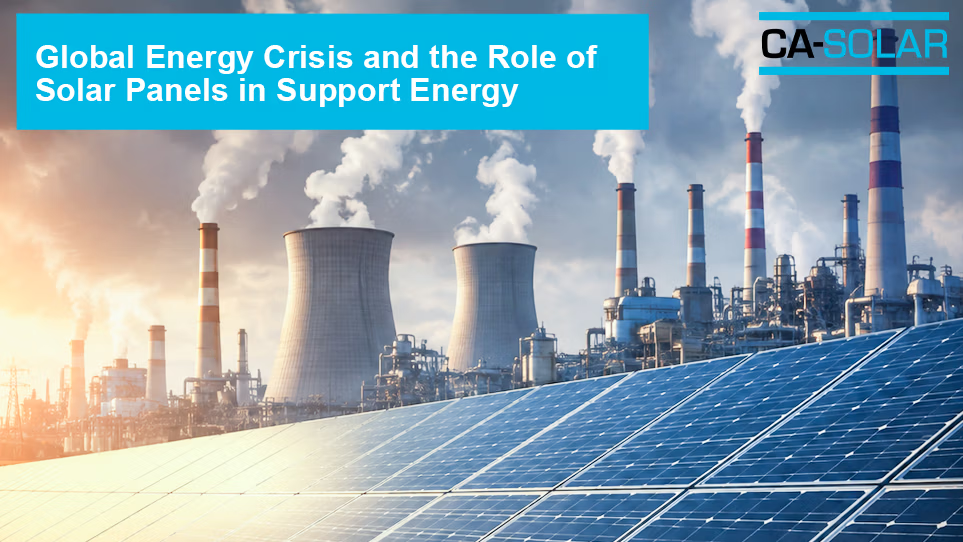
Pada akhirnya, panel surya bukan sekadar alternatif terhadap sumber energi konvensional. Teknologi ini merupakan salah satu bagian dari perkembangan menuju sistem energi yang lebih beragam, rendah emisi, dan mampu memenuhi kebutuhan energi jangka panjang.
However, continuously increasing energy demand also creates various challenges. Dependence on certain energy sources, changes in commodity prices, supply chain disruptions, geopolitical conditions, and growing electricity demand can put pressure on energy systems in many countries.
These conditions are part of the global energy crisis, which refers to situations where energy supply, prices, distribution, or the ability of an energy system to meet demand experience significant pressure.
The energy crisis shows that energy availability alone is not enough. Energy systems also need to have diverse sources, operate efficiently, and be capable of responding to various changes. In this context, renewable energy sources such as solar energy are becoming increasingly important.
What Causes the Global Energy Crisis?
The energy crisis can be influenced by various interconnected factors. One of them is dependence on fossil fuels such as oil, natural gas, and coal. Changes in global energy commodity prices can affect energy costs. Production or distribution disruptions can also influence energy availability in other regions.
At the same time, global energy demand continues to increase due to population growth, industrialization, digitalization, electric vehicle adoption, data centers, and increasing electricity requirements for various facilities.
Several factors that can put pressure on energy systems include:
- Dependence on fossil fuels.
- Energy supply chain disruptions.
- Changes in commodity prices.
- Geopolitical instability.
- Increasing electricity demand.
- Limited energy infrastructure.
Therefore, today's energy challenge is not only about providing sufficient energy, but also about building an energy system that is more secure and sustainable.
This is one of the reasons why renewable energy is becoming increasingly important for the future.
The Impact of the Energy Crisis on Industry
Industry is one of the sectors that is highly dependent on energy availability. Factories require electricity to operate production machinery, conveyors, HVAC systems, compressors, pumps, lighting, and other equipment.
When energy prices increase or supply disruptions occur, companies may face higher operational costs and risks to their production processes.
Some of the impacts include:
- Increased production costs.
- Higher operational expenses.
- Pressure on profit margins.
- Increased risk of production disruptions.
- Greater difficulty in planning energy costs.
These conditions encourage companies to find ways to improve efficiency while reducing their dependence on a single energy source.
What Is Energy Security?
Energy security refers to the ability of a system to provide sufficient, safe, reliable, and affordable energy. One way to improve energy security is by diversifying energy sources.
By having multiple energy sources, dependence on a single source can be reduced. This can become particularly important when supply disruptions or energy price changes occur. Renewable energy can be part of this strategy because its energy sources are naturally available and can be utilized in various locations. One of these sources is solar energy.
How Can Solar Energy Help Address Energy Challenges?
Solar energy utilizes solar radiation to generate energy. In photovoltaic systems, solar panels convert sunlight into electricity through photovoltaic cells.
In simple terms:
Sunlight → Solar Panel → DC Electricity → Inverter → AC Electricity → Load
This technology allows solar energy to be utilized directly at the location where electricity is needed. For readers who want to understand the basic concept, the article what is solar energy can provide an overview of the definition, working principle, benefits, and applications of solar energy.
One of the advantages of solar energy in the context of energy security is that its energy source is widely available. Solar panels do not require a direct fuel supply to generate electricity, allowing them to help diversify energy sources.
The Role of Solar Panels in Energy Security
Solar panels are not a single solution to all of the world's energy challenges. However, this technology can become an important part of building a more diversified energy system.
Some of the roles of solar panels include:
- Helping diversify energy sources.
- Reducing dependence on conventional energy.
- Utilizing locally available energy resources.
- Helping meet part of electricity demand.
- Supporting emission reduction efforts.
- Supporting long-term energy strategies.
Their global adoption has also become increasingly significant. According to the International Energy Agency (IEA), global renewable capacity additions reached around 800 GW in 2025, with solar PV accounting for more than three-quarters of this new capacity.
This demonstrates that solar PV has developed into one of the important technologies within the global energy system.
Solar Panels for Industry
For industrial facilities, solar panels can become part of an energy management strategy. Electricity generated by a solar PV system can help meet part of a facility's electricity demand, depending on the system capacity and energy consumption profile.
Applications can include:
- Factories.
- Warehouses.
- Production areas.
- Office buildings.
- Logistics facilities.
- Commercial buildings.
However, solar panel capacity needs to be adjusted according to electricity demand and installation conditions. Therefore, understanding how to determine solar panel capacity according to electricity needs is an important step for companies considering solar energy.
The utilization of solar energy can also support the concept of green manufacturing by increasing the use of renewable energy in operational activities. In addition, the use of clean energy can become part of a company's sustainability strategy and ESG initiatives.
Solar Panels and the Energy Transition
The development of solar energy is also closely connected to the energy transition. The energy transition refers to the shift toward an energy system that is more diversified and has a greater share of low-emission energy sources.
Within this transition, solar energy has an important role because it can be applied at various scales, from residential buildings to commercial and industrial facilities.
However, as solar energy adoption increases, the development of electricity grids, energy storage, and other supporting systems also becomes increasingly important. Therefore, solar panels should be viewed as one part of a broader energy ecosystem.
Why Is a Solar Mounting System Also Important?
Solar panels require supporting structures to be installed safely and securely. These structures are known as solar mounting systems. A solar mounting system supports the panels while maintaining their position according to the installation design.
The structure must also be able to withstand various environmental conditions such as wind, rain, temperature changes, and humidity. Therefore, the quality of the mounting system plays an important role in the safety and durability of a solar panel installation.
Several components used in mounting systems include Solar Profile, Mid Clamp, End Clamp, Foot Bracket, and Join Bar. Each component has a different function and works together as an integrated system. A more detailed explanation of these components can be found in the article important components in a modern solar panel system.
In addition to component selection, the material should also be suited to the environmental conditions. This is related to the factors that affect the durability of solar panel mounting structures.
The Future of Solar Energy
Energy demand is expected to continue increasing alongside industrial growth, digitalization, electrification, and technological development. Under these conditions, energy security will become increasingly important. Energy systems need to have diverse sources to better respond to changing demand and potential supply disruptions.
Solar energy can be one part of this development. By utilizing a widely available energy source, solar panels can help companies and communities increase the use of renewable energy while supporting long-term energy strategies. However, solar energy development still requires proper planning, from system capacity and installation location to panels, inverters, and mounting structures.
CA-Solar Supports Solar Panel Mounting Systems
Utilizing solar energy requires a system designed as a whole. Panels, inverters, electrical systems, supporting structures, and the installation process need to work together as one system. CA-Solar provides solar mounting systems with various components such as Solar Profile, Mid Clamp, End Clamp, Foot Bracket, and Join Bar.
With a modular approach, the system can be adapted to different installation requirements and panel configurations. Selecting the right mounting system is an important part of supporting the safety, flexibility, and long-term durability of a solar panel installation.
Conclusion
The global energy crisis shows that energy needs are not only related to supply volume, but also to security, price stability, distribution reliability, and the ability of energy systems to respond to changing conditions.
Dependence on certain energy sources can increase risks when supply disruptions or changes in global conditions occur. Therefore, diversifying energy sources is becoming increasingly important.
Solar energy is one renewable energy source that can support this diversification. Solar panels allow sunlight to be utilized to generate electricity and can become part of a broader energy security strategy.
For industries, solar panel utilization can support energy efficiency, electricity source diversification, green manufacturing, and ESG initiatives. However, the success of a solar system does not depend solely on the panels used. Capacity planning, site conditions, installation quality, and the solar mounting system also play important roles.
Ultimately, solar panels are not simply an alternative to conventional energy sources. They are part of the transition toward a more diversified, low-emission energy system capable of meeting long-term energy needs.